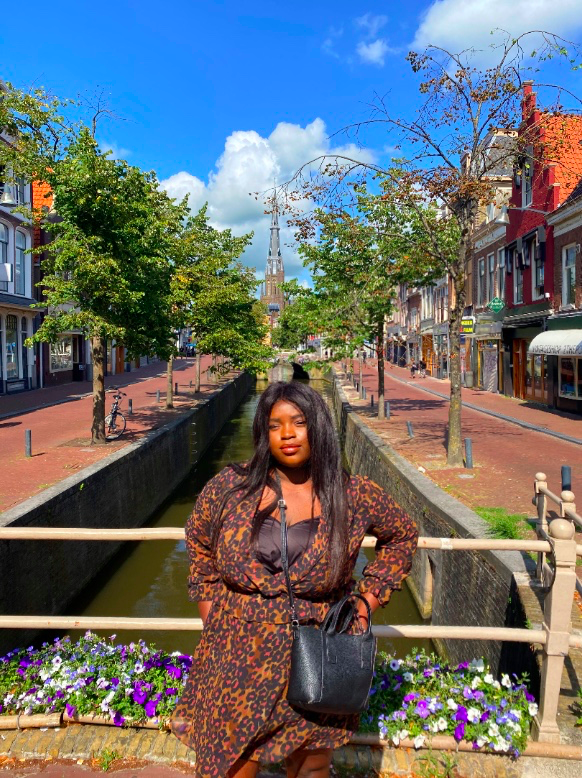
Leeuwarden has a population of 122 983 inhabitants with a historic city center and many historic buildings. In total, I have visited five places such as the Pisa tower, City Canals, Fitness Club, History Museum, Duo Transportation, Cafe.
Even though I am studying in Groningen, a city 40 mins away from Leeuwarden, I enjoy the quiet neighbourhood and affordable student housing in Leeuwarden. Moreover, recreational and educational locations that I have visited made me feel at home.
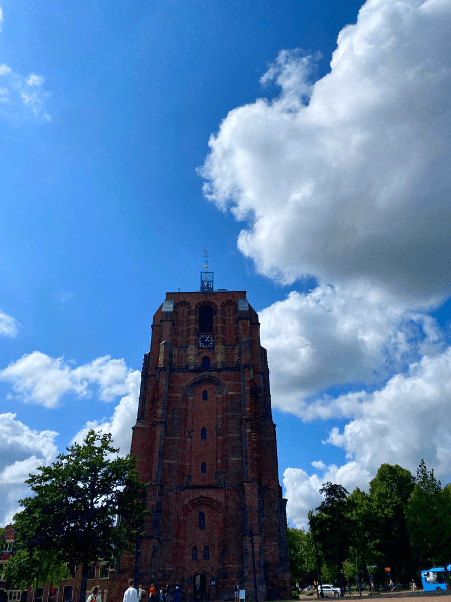
Pisa Leaning Tower
While the tower is not high and famous as the Pisa leaning tower in Italy, yet the tower is a city attraction, located at the city center of Leeuwarden. It is possible to visit the top terrace to view the city from the top.
City Canals
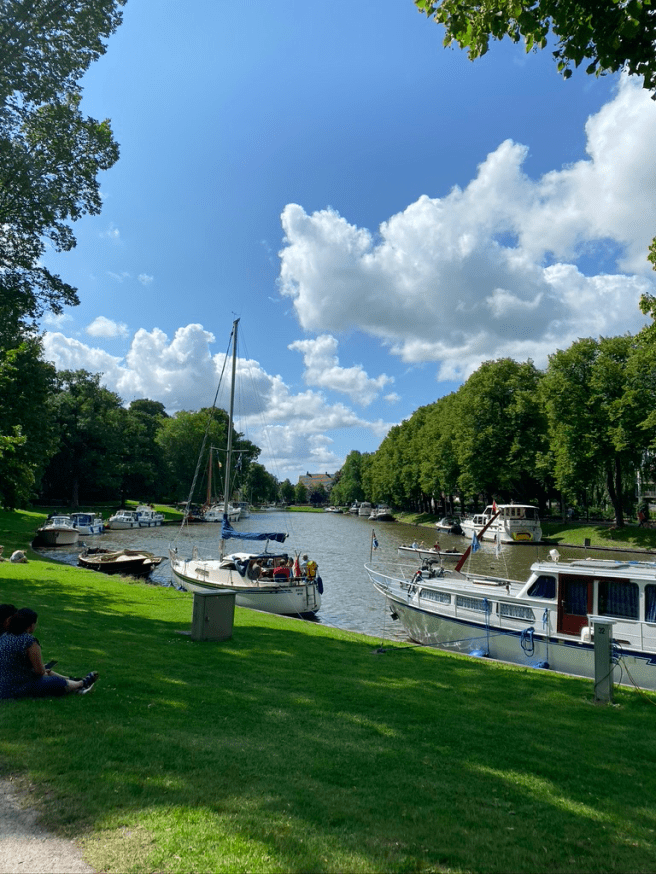
Leeuwarden is one of the cities in the Netherlands that has loads of canals and boat owners. During the summer, the Dutch cruise in their boats with families and friends. Some canals are close to parks to relax in the sun during summer.
Fries Museum
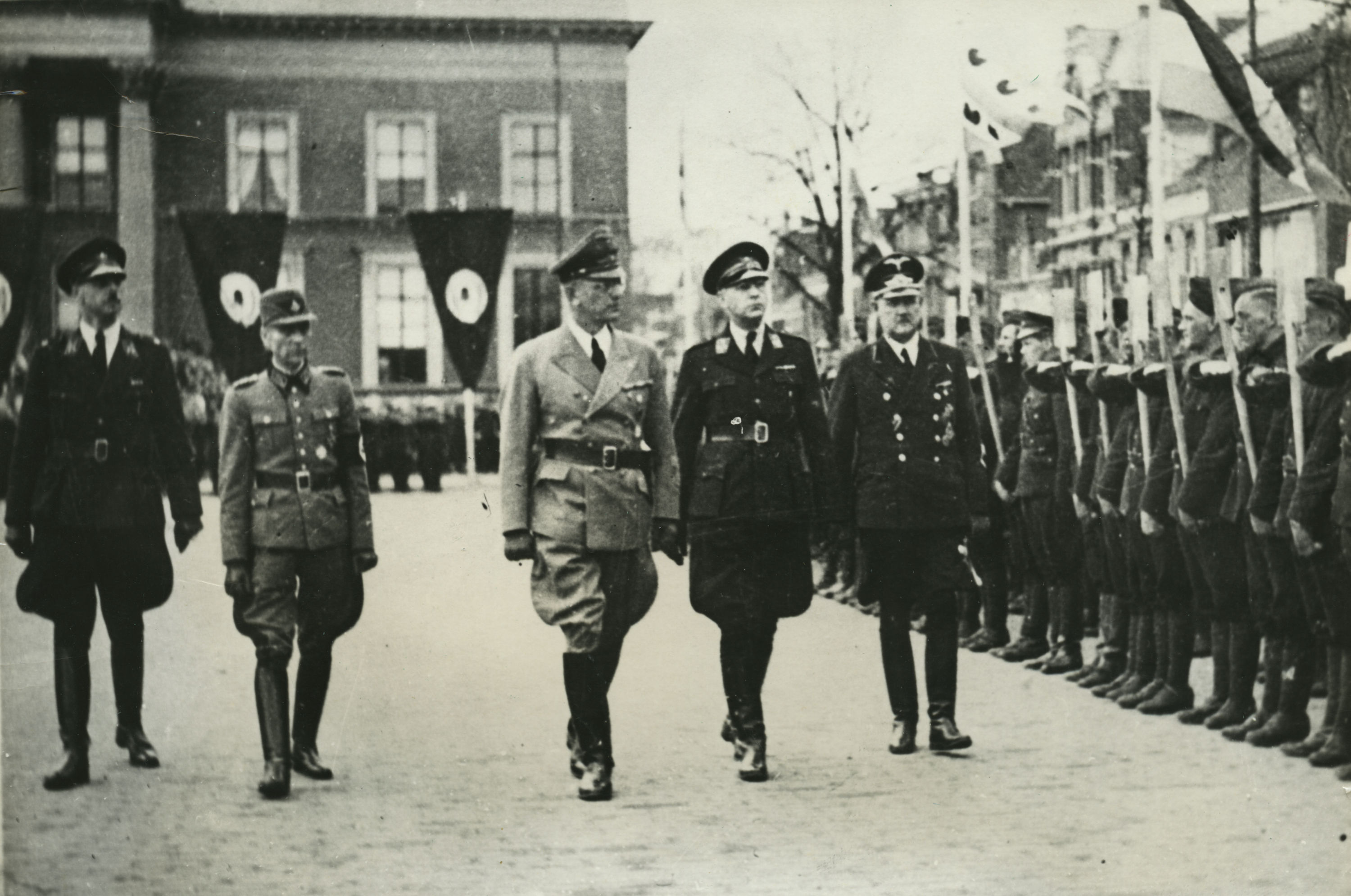
I have never seen an enormous museum that only contains the history of a city monuments like the Fries museum. The museum explicitly shows important historical events such as world war 2 and the relevant personal identity of the Dutch.
Duo transportation
There are modern transportation and other public infrastructure, such as duo transportation, which manoeuvre bikes and people at the same time. I think that this innovation/idea is important because bikers could bike around the Wieland and lakes in Leeuwarden after the bus driver offloads passengers close enough
Cafes/Restaurant
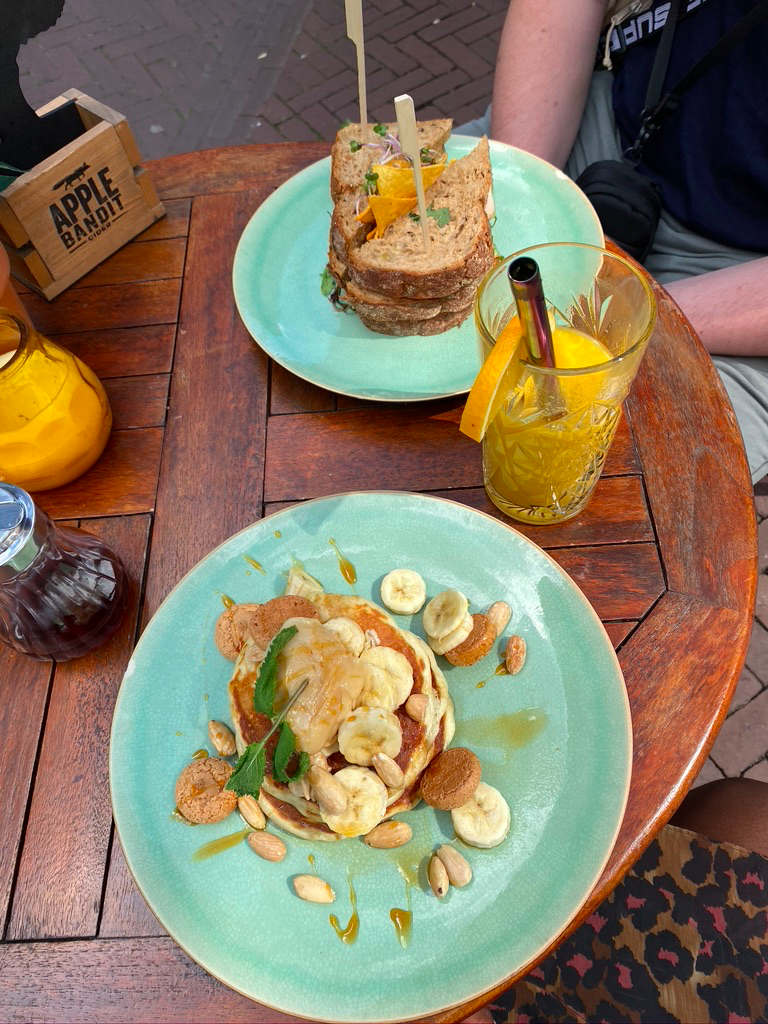
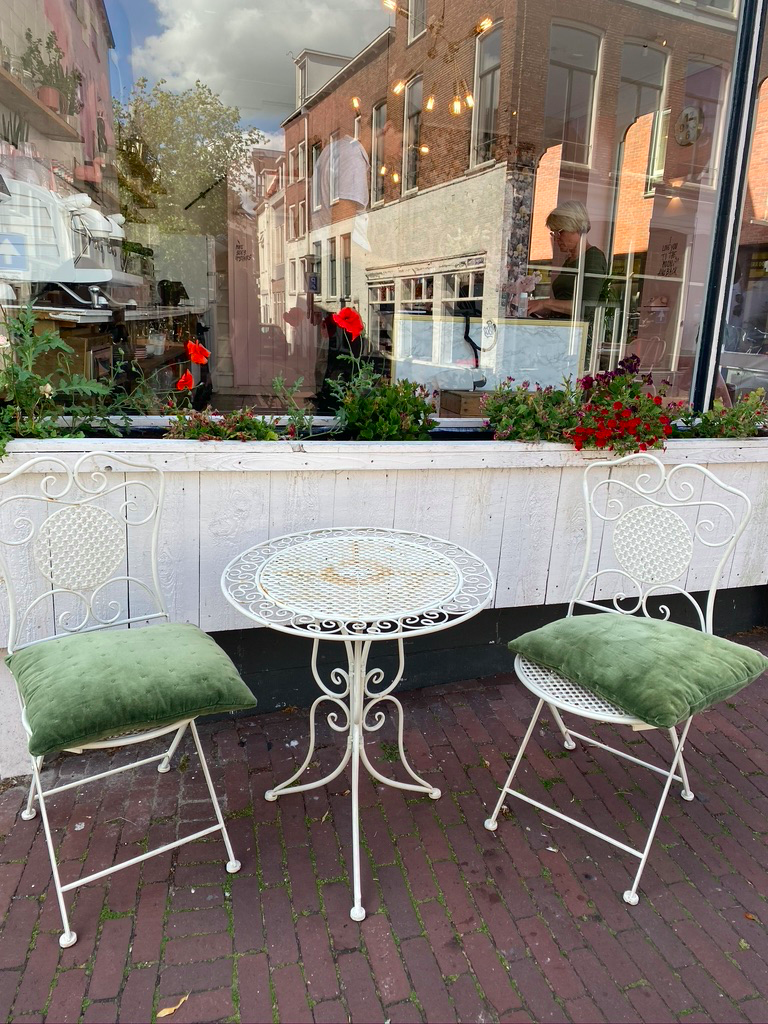
There aren’t many online businesses such as Uber (eats) or Deliveroo. Nevertheless, there are still some interesting and aesthetic spots to visit or order online places such as the Moon café and crazy lemon restaurants. Taking pictures of those places is super instagrammable!
Small businesses continue to suffer significant losses during the COVID-19 crisis when compared to larger firms. Should the pandemic last longer than six months, 56% of smaller firms fear for their survival, while larger businesses predict to be at lower risk of bankruptcy (CBS, 2020). Although the Netherlands has one of the most competitive economies in the world, small-sized companies in the Netherlands find it challenging to compete with large-sized companies. In a period of a pandemic, small businesses continue to conduct their business activities online to avoid social contact. Therefore, in the era of COVID-19, possible solutions for the survival of smaller businesses are related to data sharing, resources delegation and local support, which could result in a growing economy for the Netherlands.
Data Sharing Economy in a Transparent Manner
Data sharing economy (DSE) between Business to Business (B2B) is becoming increasingly relevant, for smaller businesses considering the innovation potential of the use of data. Data sharing enables access to large, exceptional data sets, which provide opportunities for enhancing business processes & developing new business models and services (European Commission, 2020). Furthermore, policymakers have discussed possible regulatory options for prompting the DSE in a transparent manner (CBS, 2020). The regulation could prevent larger technology companies from dominating the market. Data transparency (DT) is the ability for businesses to offer access to data and work with data conveniently regardless of the location, application or company size (Ruth, 2017). Additionally, data transparency guarantees that the information reported is factual and derived from reliable sources (Mayernik, 2017). Policymakers find it challenging to offer incentives which will promote high-quality and access to data for the stakeholders in need. Therefore, transparency is not always possible (Deloitte, 2014). First and foremost, there is no incentive to promote data sharing between B2B via the three methods of DT, which are cross-industry, DT platforms or different suppliers (European Commission, 2017). Moreover, the current regulations are mainly about the intellectual property or consumer protection in Europe, such as the FRAND (Fair, Reasonable and Non-discriminatory) (Ferro, 2018) or the GDPR (General Data Protection Regulations) (Harris, Samuel & Probert, 2018). Finally, it is challenging to create a policy which benefits all parties due to the ever-changing technological landscape for sharing data (European Commission and Everis, 2018). Hence, it is beneficial to support smaller companies and stimulate the economy. The government could implement solutions such as high sanctions for larger technology companies that are too dominant or refuse to share relevant data with smaller companies.
Delegation of Financial Resources to Smaller Companies
Secondly, amid COVID-19, the Netherlands could delegate more financial aid to small-sized businesses companies because of aspects related to the entrepreneurial spirit, council aid and financial support of the country. The Netherlands has the most competitive economies in Europe and has excellent institutions, especially surrounding the protection of intellectual property (Schwab, 2019). Nevertheless, government aid could support a robust entrepreneurial culture and the highly flexible labour market. In 2017, the Netherlands ranked last in the EU in relations of the share of small businesses that took part in public tenders (European Commission, 2019). Since 2018, the Netherlands has developed different measures to improve access to finance for small-sized businesses, especially access to risk capital. However, governmental aid and public procurement decreased in 2019 from previous years. In the Netherlands, 56% of the businesses with two to 249 employees who fall under the medium and small-sized businesses, expect their livelihood to be at risk should the crisis last longer than six months. Larger businesses with more than 249 employees assume less risk of their livelihood (CBS, 2020). Considering that the Dutch government offers extra support to small-sized firms (CBS, 2020), they could effectuate new measures for a valid delegation of financial resources. These new measures could ensure that larger-sized companies uphold their partnerships agreements with small companies, especially when using public financial aid.
Supporting Local Businesses
Thirdly, locals should support regional domestic businesses, to generate business visibility of those firms and increase online interaction with small businesses. Customer behaviour has changed from bulk-buying to online shopping due to the COVID-19 pandemic (Murphy, Naert, & and Strong, 2020). Although shoppers are concerned about whether online shopping is safe or not, according to experts the virus could live on surfaces from three hours to three days, depending on the materials (World Health Organization, 2020). To avoid the unnecessary danger of spreading the virus, locals should shop online through local shops, in which the safety and hygiene procedures are apparent and verified by the Dutch Ministry of Health. Larger companies have a more significant brand presence and value, which is one of the main factors why consumers purchase more from them. That is why larger sized companies have seen an increase in sales during the crisis, whereas not the same for smaller businesses. Series of civic organisations are generating initiatives to support local businesses that are negatively affected during the pandemic, which are mainly restaurants (Ruijter, 2020). Although digital delivery platforms such as Uber help local restaurants, some traditional businesses may struggle to navigate their ways in the digital world (Fitzpatrick, Gill, Libarikian, Smaje, & and Zemmel, 2020). Larger businesses such as Amazon active in the Netherlands should be obligated to sell to only a certain number of products online and showcase small local businesses in their digital platforms. France ordered Amazon to limit trade to essential products (Handavas, 2020), which could be an effective strategy to adopt in the Netherlands. The change in the behaviour of society has affected small businesses the most during the pandemic. Therefore, locals should shop via domestic small-sized businesses to reduce the virus from spreading and ultimately stimulate the entire economy of the country.
Conclusion
The Dutch policymakers and society may help in fostering entrepreneurship and economic growth. Important practical implications are that policymakers could promote data transparency and delegate more financial resources to smaller businesses rather than larger businesses. At the same time, locals should support regional domestic businesses. The implementation of high sanctions on large-sized technology businesses can promote data transparency because there is a lack of incentive to share data. As described, larger businesses should uphold their partnerships agreements with smaller firms due to a lack of financial and council aid, for small businesses, including the entrepreneurial spirit of the nations. Consumer shopping via local and online stores are excellent ways to support small businesses. A key policy priority should, therefore, be to enact long-term solutions for small businesses which will benefit the economic development of the Netherlands in the long run. Finally, when performing a retrospective of these times, it might well be the case that COVID-19, not the CEOs of companies, will have led to the digital transformation.
Ferro, F., 2018. The nature of FRAND commitments under French contract and property law. Journal of Intellectual Property Law & Practice, 13(12), pp.980-988.
I have been a fan of red beet juice for many years. It’s a “detox juice” that’s loaded with antioxidants, vitamins and minerals. I have been testing out different combination of ingredients, which works for my digestion. Compare to other recipes, mine contains no apples for sweetness. I prefer natural beet taste. Here is the recipe that works for me.
INSTRUCTIONS
Squash the red beet in a bowl. Separate the juice from the remaining in a cup with a kitchen separator.
Add all ingredients to the cup. You may have to add in batches and squeeze the lemon in the separator as well.
Enjoy immediately, over ice if desired.
Disclaimer: this is not a medical recommendation use at own risk.
I want to create an impact. One of my first strategy to do so is to create a small business or to join an extensive network of innovation expert in the Netherlands. However, during my studies, I realized that I could contribute more to creating solutions to foster innovation in Africa, for instance, in Nigeria (my birthplace) and lecturers at my business school saw potential in the idea. The emerging countries in Africa have the potential as well because there are different innovation that could be implemented across various industries which are not in place. Economic experts from West Africa mentioned that implementing innovation solution might not succeed in Africa because there is a lack of infrastructure, less access to the internet and electricity.
Beginning of my Journey
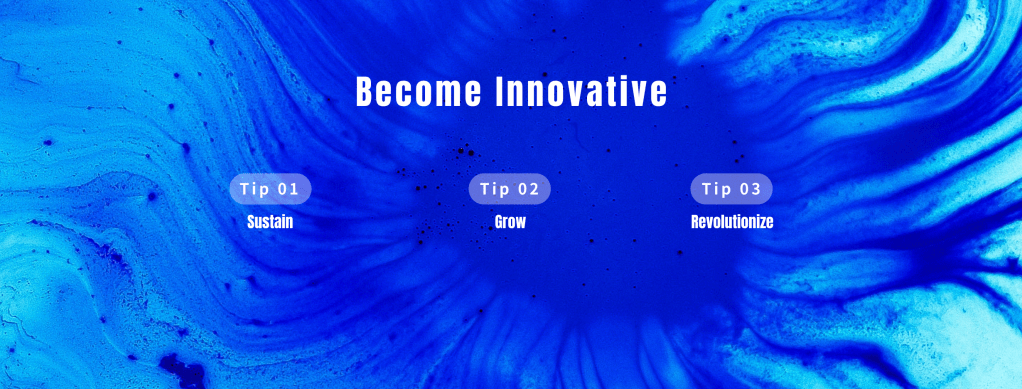
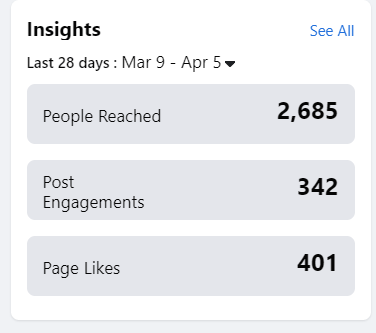
End of March, I created an Innovation Consulting platform and one of the added value is to create a digital innovation hub for Africans https://www.consultingauthentic.com/. I created this consulting agency during the COVID-crisis which is mainly through a digital hub. Hence, a COVID is the main driver of this creation. In addition to creating an innovation platform, to validate whether there is a market for that solution I set up a social media channel Facebook and created a tiny banner showing what innovation is about for people to like my page. Within five days, I had 397 likes on Facebook, and the majority of the users were African followers.
There were some interaction with my page and a high volume of clicks about 2,685. There are still more campaigns to carry out, including tools and content for the hub. I am on the right track!
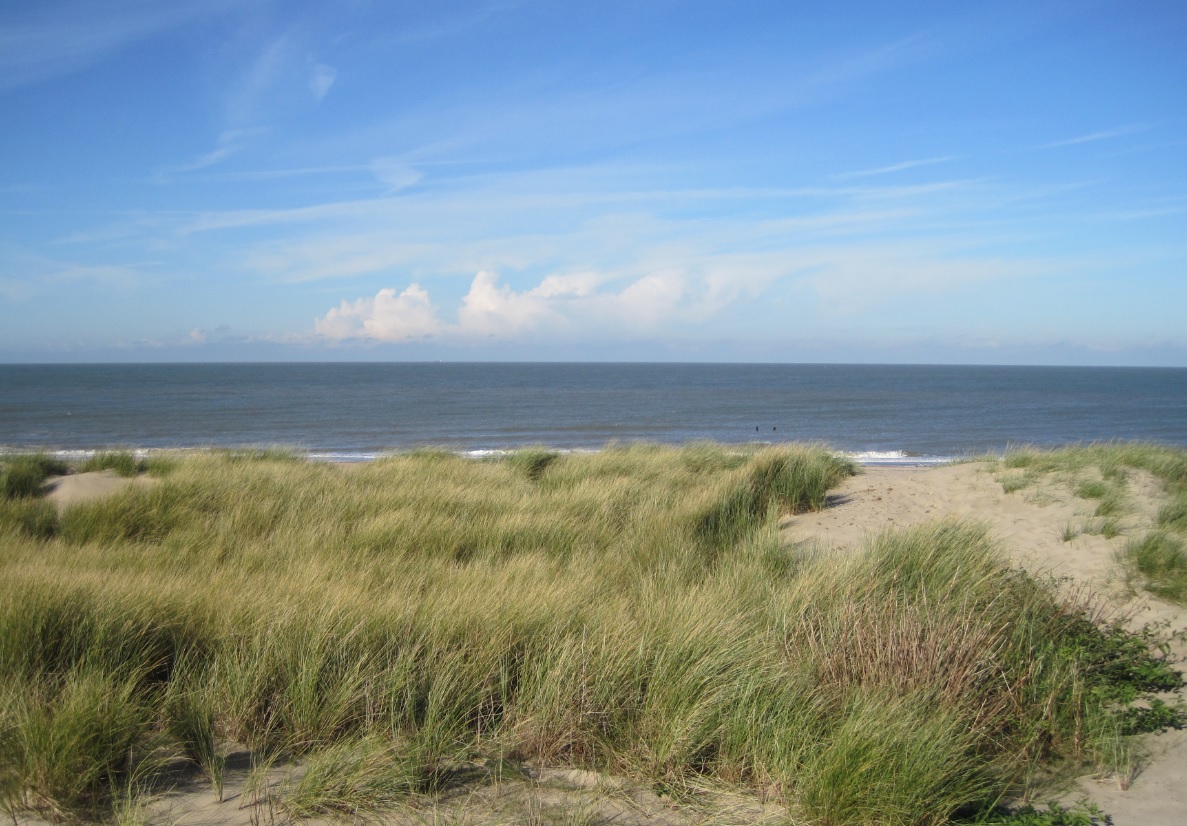
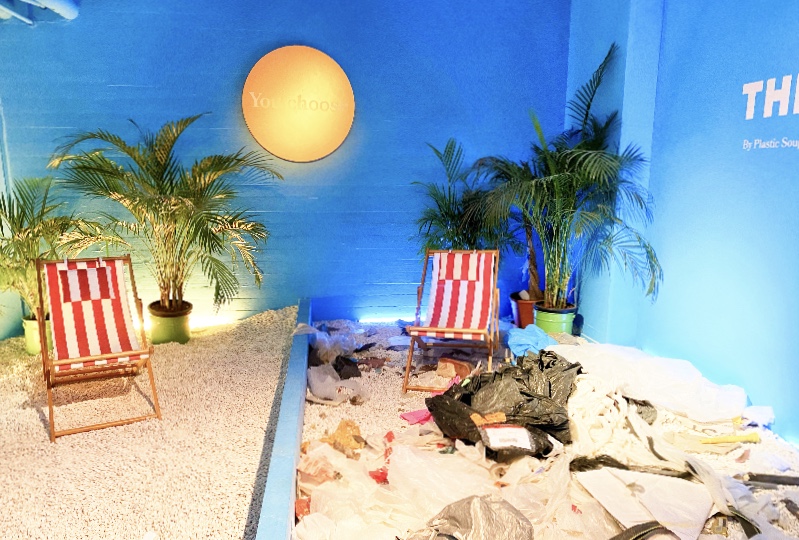
Taken at Yousuem in Amsterdam: Image displays a choice between plastic & plastic free beach
Power of influences
There is constant news about climate changes which may determine our consumer behaviours. Because consumers are becoming more sustainability-conscious about the brand they engage in and it determines which products/services they use. Social influencers such as Greta Thunberg & Leonardo de Caprio have been a great role model using their media influence to create awareness across Europe and beyond. Although sometimes news shared by influencers can be misleading, at the end of the day, we need to be extremely critical with what we feed our brains #foodforthought.
My lifestyle
As a working student, I also contribute to sustainable discussions. Moreover, because I am conscious of sustainability, it determines my choices and way of life. For instance, I cannot work for a Tobacco company or companies allegedly involved in child labour such as Nespresso, H&M and Primark. I use metal straws instead of plastics, separated trash bins such as plastics, glass and other waste and my deodorant containers are paper or metal-based containing natural ingredients. As of last, I spend money on quality clothing that is affordable but not entirely related to unfair mass production manufacturers. My clothing brands that I am fond of are Scotch & Soda & Gary Warmer.
As a resident in Europe, sustainable embeds in our behaviours. I encourage you to continuously partake in topics without having the feeling that we do not contribute because of every little contribution count.
Transitioning from HBO to WO master for international/foreign students
As a 1,5 generation immigrant, I find the Dutch Education system complex. It takes a long duration of time to finish high school/university for foreigners due to language, cultural and educational level barriers. Also, once you fall under a professional level rather than an academic degree which is a small university/group compared to the academic universities. It can be challenging to do an academic master for all international/foreign and Dutch native student. I will share my opinion as a Business Administration graduate.
Language & cultural barriers
By language barriers meaning that foreigners that do not speak Dutch coming outside of the Netherlands except for Dutch speakers from Canada, Indonesia, Surinam, South Africa and Vlanders. In my experience language and cultural barriers can be learned within three years of education in the Netherlands in high school or college. However, it takes longer for some due to lack of support and clarity in the education style. For someone like me with loads of supportive system from my Dutch family, I can integrate pretty fast.
The majority of students fall under the HBO level, and ambitious students that want to pursue a WO master are mostly restricted due to the impossible entry requirements. I am an HBO student that has gone through a stringent process of applying for masters and pre-master.
I have gathered some tips for students struggling to find the right masters.
#Tip 1: Try to take a gap year to save and explore during those gap year while working.
Sometimes it could take less than two years if you have a GMAT score of >550 or had done an academic minor. (Mindful GMAT has the cheapest GMAT preparation course with discounts). Applied science universities such as Zudy, hotel school Rotterdam or Breda Hogescholen offer these academic minor. Based on my research Maastricht University and Twente University accept a GMAT as the only entry requirement to pursue a master.
#Tip 2: Practice hard and get used to GMAT questions immediately
To follow a pre-master HBO’ers need to have an average >7,5, which gives you higher perks so work hard during your 2 – 4 years because of the GPA counts from there. It is required by universities such as Utrecht University, University of Amsterdam and Erasmus University. Erasmus university accepts students to the program with a lower GPA an exception is done if one has a GMAT score of >600 or do a pre-master from another public university to gain admission there. Other universities without 7,5 gpa are universities such as Open University, Tilburg University, Radboud University, University of Groningen and Twente University.
#Tip 3: Work very hard during your 2nd & 3rd year to raise keep a GPA of >7,5
Don’t choose a university because of its locations, your current job, or duration of study because it would be overwhelming to make a choice. Please make a choice based on what you are passionate about and on study that matches your HBO diploma.






 Authentic You